




The Stink of Sewage
- Details
- Written by: GROK and John Burke
- Hits: 733
 x.com/i/grok
We are a Human Rights Group but we have grave concerns about this Harare Ground Water survey tool as publicise by the UK Ambassador.
Given the sewage infrastructure crisis in Harare and its known effects upon public health - such a tool - we presume - will not be able to divine potable water - as the article implies.
In addition, questions also need to be asked regarding Harare’s existing water supply infrastructure and its current efficacy.
GROK text reply - web research items within the link above
"The Harare Groundwater Assessment Tool" is a real UK-funded initiative, publicly highlighted by the British Embassy in Zimbabwe (via @UKinZimbabwe on X today, 10 March 2026, and earlier Facebook posts). It was developed in partnership with the "University of Zimbabwe, the "Upper Manyame Sub-Catchment Council", and the "British Geological Survey (BGS).
It is explicitly described as "Harare’s first Groundwater Assessment Tool" — a GIS-based modelling and mapping system (pilot study funded via UKRI) for evaluating groundwater resources. Official messaging calls it “a big step toward better water management and a more resilient future for the city” and “supporting sustainable water solutions.” It is an assessment and planning tool, not a water-finding or purification device.
Your core concern — that "Harare’s catastrophic sewage infrastructure failure" makes groundwater non-potable — is factually well-founded and widely documented by independent experts, residents, and recent studies.
Why groundwater in Harare is highly vulnerable
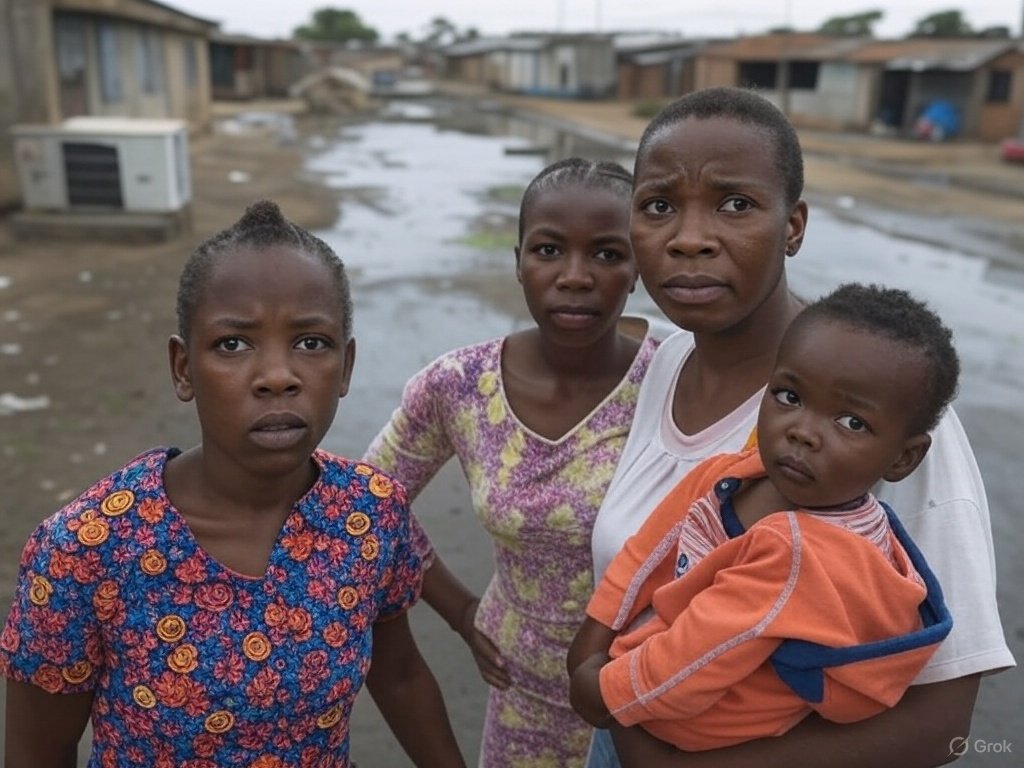
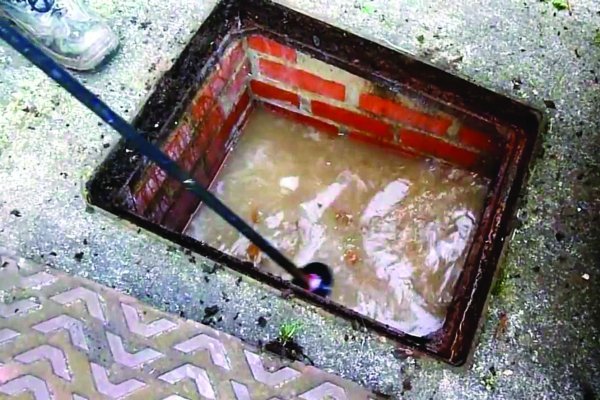
Harare’s sewer network (≈5,000 km of ageing pipes, much of it asbestos and obsolete) has been collapsing for years. Burst and leaking sewers are the **primary source of groundwater contamination**, leaching raw sewage, E. coli, nitrates, and other pollutants directly into aquifers.
Prioritize Vital Infrastructure
- Details
- Written by: John Burke
- Hits: 6911
 Priority Infrastructure Improvements:
ZIMBABWE and the Political Will to Improve Key Infrastructure Facilities
Introduction – Framing the Approach
Below is a framework for a Detailed Policy Paper on priority infrastructure needs in Zimbabwe, with a particular focus on drinking water and sanitation, while also considering broader infrastructure priorities. This draft incorporates insights from the web results provided, international human rights frameworks, and general knowledge of Zimbabwe’s socio-economic context. The paper is structured to align with policy-making standards, offering evidence-based analysis, actionable recommendations, and due consideration of human rights obligations, including those highlighted on our website and of our consultants.
ZHRO Website. & Bio-Methane Stratigies
Priority Infrastructure Needs in Zimbabwe with a Focus on Drinking Water and Sanitation
Executive Summary
Zimbabwe faces significant infrastructure deficits that undermine human rights, economic development, and public health. Among these, access to safe drinking water and sanitation stands out as a critical priority, recognized internationally as fundamental human rights under the United Nations framework. This policy paper identifies the urgent need to address water and sanitation infrastructure, alongside other key areas such as health, energy, and transportation, to achieve sustainable development and uphold Zimbabwe’s international human rights obligations. Drawing on data from international organizations, civil society reports, and stakeholder consultations, this paper proposes a comprehensive strategy to prioritize, fund, and implement infrastructure projects. Key recommendations include adopting a human rights-based approach (HRBA) to water and sanitation, mobilizing international and domestic resources, and fostering partnerships to ensure equitable access, particularly for marginalized groups.
1. Introduction
Zimbabwe’s infrastructure challenges are rooted in decades of economic decline, political instability, and underinvestment. The country’s water and sanitation systems, in particular, have deteriorated significantly, exacerbating public health crises, maternal mortality, and socio-economic inequalities. The Zimbabwe Human Rights Organisation (ZHRO) has emphasized the link between these deficits and human rights violations, noting the failure of the current administration to prioritize health and sanitation infrastructure (ZHRO, 2024). This policy paper aims to:
- Assess the current state of Zimbabwe’s infrastructure, with a focus on Water and Sanitation, and Energy Integration.
- Identify priority needs based on human rights, public health, and economic development criteria.
- Propose actionable policy recommendations to address these needs, ensuring alignment with international obligations and sustainable development goals (SDGs).
2. Background and Context
2.1 Current State of Infrastructure in Zimbabwe
Zimbabwe’s infrastructure deficits span multiple sectors, including water and sanitation, health, energy, transportation, and housing. Key challenges include:
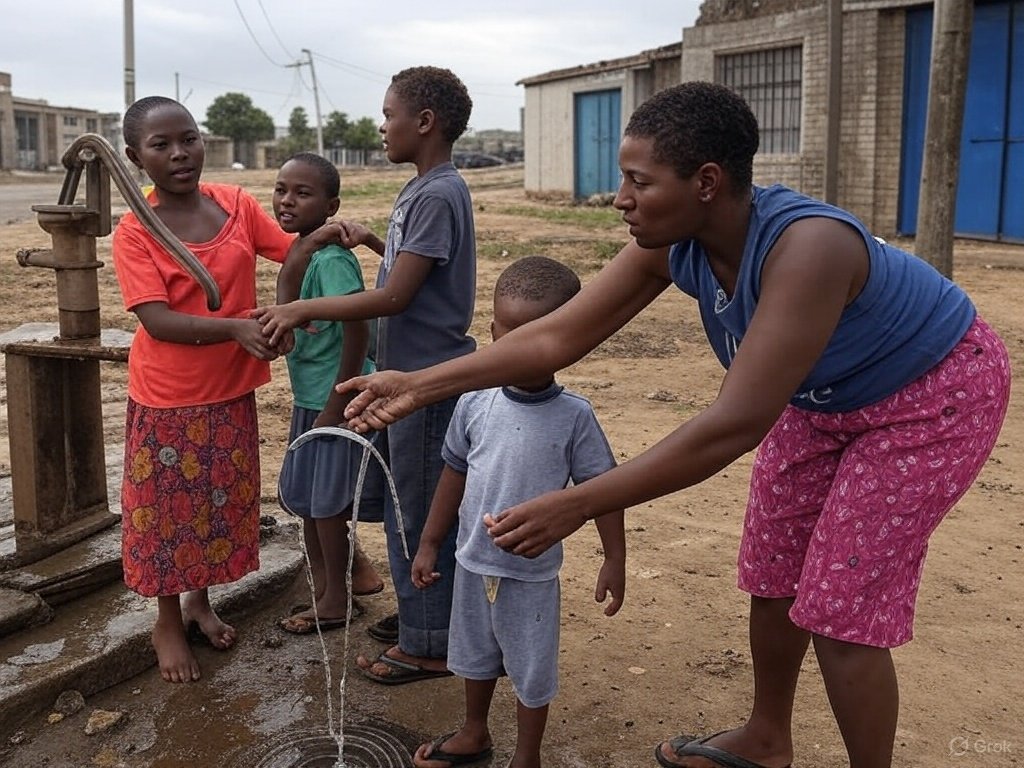
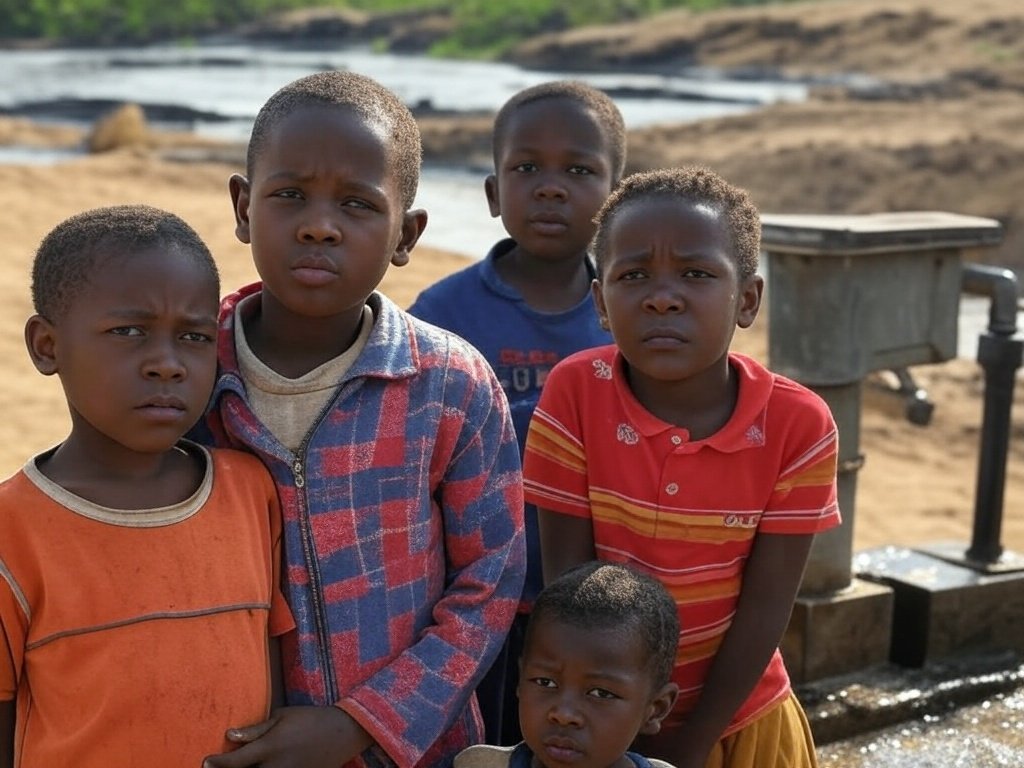
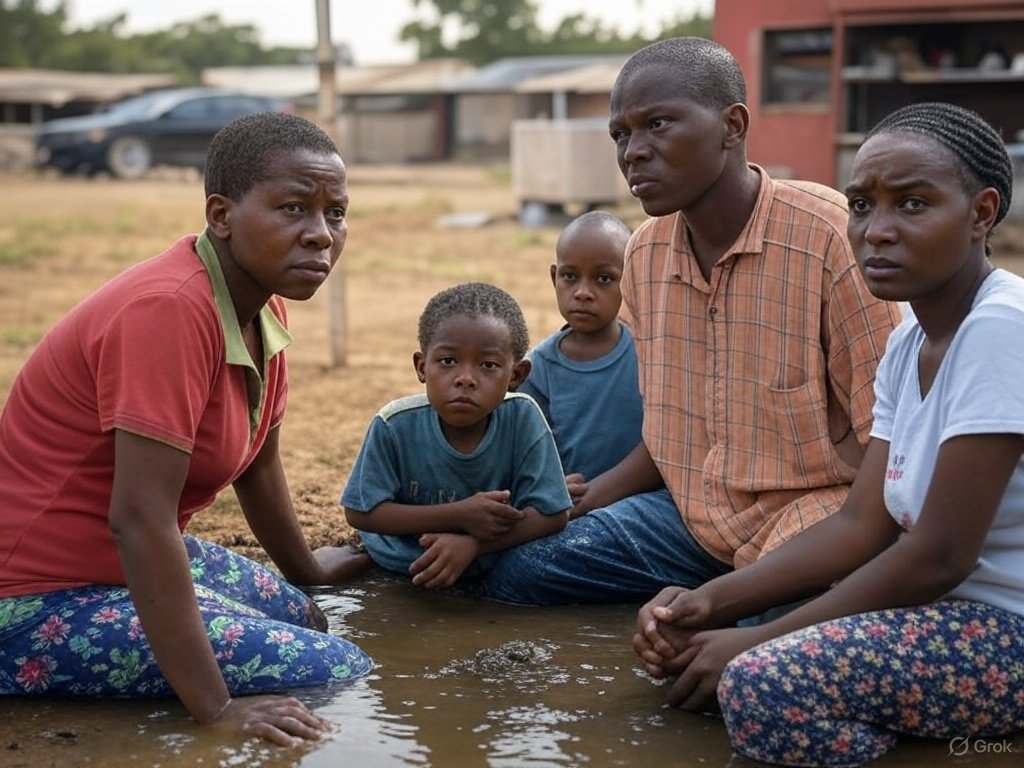
- Water and Sanitation: According to UN-Water, billions globally lack access to safely managed water and sanitation, with Zimbabwe facing acute challenges, particularly in rural areas and urban informal settlements. Harare, for instance, has reported non-functional indoor flush toilets due to water shortages, forcing residents to rely on unsafe alternatives (Human Rights Watch, 2013). Rural areas suffer from inadequate water supply systems, with many communities relying on contaminated sources, contributing to waterborne diseases such as cholera.
- Health: The health sector is critically underfunded, with hospitals lacking basic equipment and medicines, a situation ZHRO attributes to corruption and mismanagement (ZHRO, 2024). This exacerbates maternal and infant mortality rates, with inadequate water and sanitation facilities in health centres contributing to preventable deaths.
- Energy and Transportation: Frequent power outages and poor road networks hinder economic activity and access to services, compounding the challenges of delivering water and sanitation infrastructure.
- Economic Context: Zimbabwe’s economic crisis, characterized by hyperinflation, currency instability, and high unemployment, limits government capacity to invest in infrastructure. Corruption further diverts resources, with ZHRO noting that proceeds from mineral resources are often siphoned off by elites, leaving ordinary citizens without basic services (ZHRO, 2024).
2.2 Human Rights Framework
Access to safe drinking water and sanitation is recognized as a human right under international law, derived from the right to an adequate standard of living (Article 11, International Covenant on Economic, Social and Cultural Rights). The UN General Assembly Resolution A/RES/64/292 (2010) and subsequent resolutions affirm these rights, obliging states to ensure universal access without discrimination, prioritizing the most marginalized. The UK, as a signatory to these frameworks, has recognized sanitation as a human right and committed to supporting global efforts (GOV.UK, 2012). ZHRO’s advocacy, as highlighted on its website, underscores the need for Zimbabwe to meet these obligations, particularly in addressing maternal mortality linked to poor sanitation in health facilities (ZHRO, 2024).
2.3 Sustainable Development Goals (SDGs)
SDG 6 (Clean Water and Sanitation) targets universal access to water and sanitation by 2030, emphasizing the principle of “leaving no one behind.” Zimbabwe’s progress toward SDG 6 is lagging, with significant disparities between urban and rural areas, and between privileged elites and the majority poor. Addressing water and sanitation infrastructure is also critical to achieving other SDGs, including SDG 3 (Good Health and Well-being) and SDG 5 (Gender Equality), given the disproportionate impact of poor sanitation on women and girls.
3. Priority Infrastructure Needs
Based on the analysis of current challenges, human rights obligations, and development goals, the following infrastructure priorities are identified:
3.1 Drinking Water and Sanitation
- Current Challenges:
- Availability: Water supply is insufficient and discontinuous, particularly in rural areas and urban informal settlements. Sanitation facilities are inadequate, with many schools, health centres, and public places lacking sufficient toilets.
- Accessibility: Physical access to water and sanitation facilities is limited, especially for persons with disabilities, women, children, and older persons. Many rural communities must travel long distances to access water, often from unsafe sources.
- Quality and Safety: Water sources are frequently contaminated, and sanitation facilities are unhygienic, increasing the risk of diseases such as cholera and typhoid. In health facilities, poor sanitation contributes to maternal and infant mortality.
- Affordability: High costs of water and sanitation services, coupled with economic hardship, exclude the poorest communities from access.
- Non-Discrimination: Marginalized groups, including women, children, refugees, indigenous peoples, and persons with disabilities, face active discrimination and systemic barriers in accessing services.
- Waste Management Linkages: Inadequate sanitation systems contribute to significant organic waste accumulation, particularly in urban areas and informal settlements, where open defecation and uncollected waste contaminate water sources. This not only exacerbates public health risks but also represents a missed opportunity to harness organic waste as a resource for energy generation.
- Priority Needs:
- Rehabilitation and expansion of water supply systems, including boreholes, piped water networks, and water treatment plants, particularly in rural and underserved urban areas.
- Construction of safe, hygienic, and accessible sanitation facilities in households, schools, health centres, and public places, ensuring gender-segregated and disability-friendly designs.
- Implementation of water quality monitoring and sanitation safety standards to prevent contamination and disease outbreaks.
- Subsidies and community-based financing models to ensure affordability, particularly for low-income households.
- Targeted interventions to address discrimination, ensuring equitable access for marginalized groups, as emphasized by UN-Water’s human rights-based approach (UN-Water, 2022).
- Development of integrated waste-to-energy systems that convert organic waste streams from sanitation facilities (e.g., sewage sludge, faecal matter) into bio-methane, thereby improving sanitation outcomes while generating renewable energy.
3.2 Health Infrastructure
- Link to Water and Sanitation: Poor water and sanitation in health facilities directly contribute to high maternal and infant mortality rates, as highlighted by ZHRO (2024). The lack of clean water and hygienic toilets in maternity wards increases infection risks, such as postpartum haemorrhage and sepsis.
- Priority Needs:
- Upgrading water and sanitation facilities in health centres, including maternity wards, to meet international standards.
- Equipping hospitals with essential medical supplies and ensuring reliable energy sources to support water and sanitation systems (e.g., water pumps and sterilization equipment).
3.3 Supporting Infrastructure (Energy and Transportation)
- Link to Water and Sanitation: Reliable energy is essential for water pumping, treatment, and sanitation systems, while transportation infrastructure facilitates the delivery of materials and services to remote areas. Additionally, the energy sector can benefit from innovations in sanitation, such as bio-methane production, which can provide a decentralized, renewable energy source to support water and sanitation infrastructure.
- Priority Needs:
- Investment in renewable energy sources, such as solar-powered water pumps, to ensure sustainable water supply systems.
- Rehabilitation of rural road networks to improve access to water and sanitation infrastructure projects.
- Energy:
- Investment in renewable energy sources, such as solar-powered water pumps, to ensure sustainable water supply systems.
- Development of bio-methane production facilities that utilize organic waste from sanitation systems, providing a dual benefit of waste management and energy generation. Bio-methane can be used for electricity generation, heating, or as a fuel for transportation, reducing reliance on fossil fuels and addressing energy deficits in rural and urban areas.
- Integration of bio-methane systems with existing energy grids or as standalone microgrids to power water treatment plants, health facilities, and schools, particularly in off-grid areas.
- Transportation:
- Rehabilitation of rural road networks to improve access to water and sanitation infrastructure projects, including the transportation of organic waste to bio-methane production facilities.
3.4 Circular Economy and Waste-to-Energy Integration
- Rationale: Zimbabwe’s sanitation crisis generates significant organic waste streams, including sewage sludge, faecal matter, and agricultural residues, which are currently underutilized. Converting these waste streams into bio-methane through anaerobic digestion offers a sustainable solution that addresses sanitation, energy, and environmental challenges simultaneously. This approach aligns with circular economy principles, reducing waste, mitigating greenhouse gas emissions, and providing a renewable energy source to support infrastructure development.
- Priority Needs:
- Construction of anaerobic digestion facilities at scale, strategically located near urban centres, rural sanitation hubs, and agricultural zones to process organic waste from sanitation systems and other sources.
- Development of collection and transportation systems for organic waste, ensuring safe and efficient delivery to bio-methane production facilities.
- Implementation of training programs for local communities, sanitation workers, and technicians to manage and maintain bio-methane systems, fostering job creation and community ownership.
- Integration of bio-methane into national energy strategies, including its use in powering water treatment plants, health facilities, schools, and public transportation, thereby reducing energy costs and improving service delivery.
Establishment of regulatory frameworks to ensure the safe handling, processing, and use of organic waste, including standards for bio-methane quality and environmental protection
4. Policy Recommendations
To address these priority needs, the following recommendations are proposed, grounded in a human rights-based approach and aligned with international best practices:
4.1 Adopt a Human Rights-Based Approach (HRBA)
- Policy Action: Enact legislation and policies that explicitly recognize water and sanitation as human rights, in line with UN resolutions and Zimbabwe’s international obligations. Ensure that policies prioritize the most marginalized, including women, children, refugees, indigenous peoples, and persons with disabilities.
- Implementation: Establish a national task force to oversee the implementation of HRBA principles, involving civil society, international organizations, and affected communities. Use tools such as the UN-Water Global Analysis and Assessment of Sanitation and Drinking-Water (GLAAS) to monitor progress (WHO, 2022).
4.2 Mobilize Resources
- Domestic Funding: Combat corruption and redirect resources from elite enrichment (e.g., mineral proceeds) to public infrastructure, including investments in integrated sanitation and energy projects, as highlighted by ZHRO (2024). Implement transparent budgeting and anti-corruption measures to ensure funds reach intended projects, such as bio-methane facilities.
- International Support: Leverage commitments from international partners, such as the UK’s pledge to support water and sanitation initiatives (GOV.UK, 2012), to secure funding and technical assistance for waste-to-energy projects. Engage with UN agencies (e.g., UN Environment Programme, UNIDO), the World Bank, and regional bodies like the Southern African Development Community (SADC) to mobilize resources for bio-methane initiatives, emphasizing their alignment with climate and SDG goals.
- Private Sector Engagement: Foster public-private partnerships (PPPs) to finance and implement infrastructure projects, including bio-methane production facilities, ensuring safeguards to prevent privatization that excludes the poor. Encourage private sector investment in renewable energy technologies by offering incentives, such as tax breaks or carbon credits.
4.3 Strengthen Governance and Accountability
- Policy Action: Establish independent regulatory bodies to oversee water, sanitation, and energy services, ensuring compliance with human rights standards and equitable distribution. Include specific mandates for regulating waste-to-energy systems, such as bio-methane production, to ensure safety, efficiency, and environmental sustainability. Strengthen local government capacity to plan, implement, and maintain integrated infrastructure projects.
- Community Participation: Involve communities, particularly marginalized groups, in the design, implementation, and monitoring of water, sanitation, and energy projects to ensure solutions meet local needs and cultural contexts. Promote community-led management of bio-methane facilities to enhance local ownership and sustainability.
4.4 Build Resilience to External Shocks
- Climate Adaptation: Integrate climate-resilient technologies, such as rainwater harvesting, drought-resistant water systems, and bio-methane production, into infrastructure planning to address climate change impacts, as recommended by UN-Water (2022). Bio-methane systems can reduce greenhouse gas emissions by capturing methane from organic waste, contributing to climate mitigation efforts.
- Conflict and Migration: Plan for the needs of refugees, internally displaced persons, and conflict-affected communities, ensuring access to water, sanitation, and energy in densely populated areas, as highlighted by UNHCR (UNHCR, 2024). Deploy mobile bio-methane units in refugee camps to manage waste and provide energy for lighting, cooking, and water purification.
4.5 Enhance Public Awareness and Education
- Policy Action: Launch national campaigns to educate the public on water conservation, hygiene practices, the importance of sanitation, and the benefits of waste-to-energy systems, drawing on ZHRO’s advocacy for human rights education (ZHRO, 2024). Highlight the role of bio-methane in improving sanitation, reducing energy costs, and protecting the environment.
- School Programs: Integrate water, sanitation, hygiene (WASH), and energy education into school curricula, ensuring access to safe facilities and renewable energy sources (e.g., bio-methane-powered lighting) to support learning, particularly for girls and children with disabilities.
5. Implementation Strategy
5.1 Phased Approach
- Short-Term (1-3 Years): Focus on emergency interventions, such as repairing existing water and sanitation systems, providing mobile water treatment units, and constructing temporary sanitation facilities in high-risk areas (e.g., cholera hotspots). Pilot small-scale bio-methane projects in urban informal settlements and rural sanitation hubs to demonstrate feasibility and build community support.
- Medium-Term (3-7 Years): Implement large-scale infrastructure projects, including new water supply networks, treatment plants, sanitation facilities, and bio-methane production facilities, prioritizing rural and underserved urban areas. Scale up successful bio-methane pilots into regional networks, integrating them with energy grids and water infrastructure.
- Long-Term (7-15 Years): Achieve universal access to water, sanitation, and sustainable energy, aligning with SDG 6 (Clean Water and Sanitation) and SDG 7 (Affordable and Clean Energy) targets, through sustained investment, policy reform, and capacity building. Establish Zimbabwe as a regional leader in waste-to-energy innovation, leveraging bio-methane to power public services and reduce environmental degradation.
5.2 Monitoring and Evaluation
- Indicators: Use internationally recognized indicators, such as those from the WHO/UNICEF Joint Monitoring Program (JMP), to track progress on access, quality, and equity in water and sanitation services (WHO/UNICEF, 2022). Add specific indicators for waste-to-energy systems, such as bio-methane production volumes, energy output, greenhouse gas emissions reductions, and waste diversion rates, drawing on frameworks like the UN Environment Programme’s waste management metrics (UNEP, 2022).
- Accountability Mechanisms: Establish regular reporting to parliament, civil society, and international bodies on infrastructure spending and outcomes, ensuring transparency and accountability. Include specific reporting on the performance and impact of bio-methane projects to ensure they meet sanitation, energy, and environmental goals.
5.3 Partnerships
- Key Stakeholders: Engage government ministries (e.g., Environment, Energy, Health), local authorities, civil society organizations (e.g., ZHRO), international organizations (e.g., UN-Water, WHO, UNHCR, UNIDO), private sector partners, and community groups in a coordinated effort to implement recommendations. Include technical experts in bio-methane and waste-to-energy systems to provide training and oversight.
- Regional Collaboration: Work with SADC to share best practices, secure funding, and address cross-border water, sanitation, and energy challenges, as highlighted by ZHRO’s focus on regional advocacy (ZHRO, 2024). Promote regional knowledge exchange on bio-methane technologies, drawing on successful models in other African countries, such as Kenya’s biogas initiatives (UNEP, 2022).
6. Conclusion
Zimbabwe’s infrastructure crisis, particularly in water, sanitation, and energy, represents a profound human rights, public health, and environmental challenge. Addressing these priority needs requires a comprehensive, rights-based approach that mobilizes resources, strengthens governance, and ensures equitable access. By integrating innovative solutions, such as the conversion of organic waste streams into bio-methane, Zimbabwe can simultaneously improve sanitation, generate renewable energy, and advance sustainable development. This policy paper calls for urgent action from the government, international partners, and civil society to ensure that no one is left behind in the quest for universal access to water, sanitation, and clean energy, while positioning Zimbabwe as a leader in circular economy innovation.
7. Appendices
- Appendix A: Summary of International Human Rights Obligations (UN General Assembly Resolutions, ICESCR, etc.).
- Appendix B: Case Studies of Successful Water, Sanitation, and Waste-to-Energy Interventions in Comparable Contexts (e.g., Kenya’s biogas initiatives, as referenced by UNEP, 2022).
- Appendix C: ZHRO Advocacy Materials on Water, Sanitation, Maternal Mortality, and Sustainable Energy (ZHRO, 2024).
Notes on Using This Framework
- Incorporating ZHRO’s Work: The paper integrates ZHRO’s advocacy, particularly its emphasis on human rights violations, corruption, and maternal mortality, as highlighted in their website (ZHRO Sanitation Category plus. ZHRO have Written about Cholera and Typhoid Previously and ZHRO have also Petitioned about Maternal Mortality - Possibly Linked to Sanitation Issues ) We may wish to expand specific sections with additional ZHRO data or case studies to strengthen the paper’s alignment with our organization’s mission.
- Critical Examination: The paper continues to critically examine systemic issues, such as corruption and elite capture, while introducing bio-methane as a practical, sustainable solution. This balances advocacy with actionable innovation, aligning with our interest in questioning inefficiencies and promoting transparency (as reflected in our broader advocacy).
- Customization for Stakeholders: If targeting specific audiences, such as energy-focused donors or sanitation policymakers, we may wish to emphasize different aspects of the bio-methane integration. For example, energy donors might prioritize the renewable energy benefits, while sanitation advocates might focus on waste management improvements.
- Further Research: To strengthen the waste-to-energy section, consider adding data on Zimbabwe’s organic waste volumes, potential bio-methane yields, and cost-benefit analyses. International case studies, such as Kenya’s biogas programs, can provide benchmarks for feasibility and impact.
- Visual Aids: Include charts, maps, or infographics (e.g., showing water access disparities or cholera hotspots) will make this paper more engaging and accessible to policymakers.
- Note: John Burke is a director of ZHRO Ltd, but also a highly experienced Construction Infrastructure Consultant and holds active Directorships with Sun Earth Energy Ltd, Zero Energy Systems Ltd and QSIR Limited.
Water and Sanitation SADC Region
- Details
- Written by: Nkeka P. Tseole ,Tafadzwa Mindu,Chester Kalinda,Moses J. Chimbari
- Hits: 1616
 Barriers and facilitators to Water, Sanitation and Hygiene (WaSH) practices in Southern Africa: A scoping review
Abstract
A healthy and a dignified life experience requires adequate water, sanitation, and hygiene (WaSH) coverage.
However, inadequate WaSH resources remain a significant public health challenge in many communities in Southern Africa. A systematic search of peer-reviewed journal articles from 2010 –May 2022 was undertaken on Medline, PubMed, EbscoHost and Google Scholar from 2010 to May 2022 was searched using combinations of predefined search terms with Boolean operators.
Eighteen peer-reviewed articles from Southern Africa satisfied the inclusion criteria for this review.
The general themes that emerged for both barriers and facilitators included:
- geographical inequalities;
- climate change{?}:
- investment in WaSH resources:
- low levels of knowledge on water borne-diseases and:
- ineffective local community engagement:
Key facilitators to improved WaSH practices included improved WaSH infrastructure
- effective local community engagement
- increased latrine ownership by individual households
- and the development of social capital
.Water and sanitation are critical to ensuring a healthy lifestyle. However, many people and communities in Southern Africa still lack access to safe water and improved sanitation facilities. Rural areas are the most affected by barriers to improved WaSH facilities due to lack of WaSH infrastructure compared to urban settings. Our review has shown that, the current WaSH conditions in Southern Africa do not equate to the improved WaSH standards described in SDG 6 on ensuring access to water and sanitation for all. Key barriers to improved WaSH practices identified include rurality, climate change, low investments in WaSH infrastructure, inadequate knowledge on water-borne illnesses and lack of community engagement.
Building on Sand - the Rebuilding Hypocrisy
- Details
- Written by: John Burke
- Hits: 274
 ZANU-PF's "Rebuilding" Rhetoric Versus 46 Years of Governance Record,
- the Realistic Paths to a Zimbabwean Republic
A Critical Policy Paper Prepared 21st July 2026
Executive Summary
President Mnangagwa's 19th July 2026 call for Zimbabweans to rebuild the country "household by household, village by village" sits uneasily against a governance record spanning 46 years of ZANU-PF rule. This paper sets out the case — made by opposition parties, civil society, and independent electoral observers — that the party now asking citizens to "rebuild" bears direct responsibility for dismantling the institutional, infrastructural, and economic base it inherited in 1980, and that recent legal and constitutional changes have further narrowed, rather than widened, the space for accountable governance.
It then assesses, soberly, what realistic routes toward change exist, and closes with the strongest counter-arguments to this case, since a policy paper that does not engage its opposition is advocacy, not analysis.
1. The Historical Baseline
At independence in 1980, Zimbabwe inherited one of the more developed infrastructure and institutional bases in Sub-Saharan Africa: a functioning rail network, a diversified commercial agricultural sector, a relatively strong currency, and an education and health system that — however unjustly distributed under white-minority rule — provided a functioning administrative and technical base. The policy critique from opposition and diaspora groups (including advocacy bodies such as Zimbassy) holds that this base has been progressively eroded rather than broadened to serve the whole population, and that the erosion accelerated under one-party consolidation after independence and never structurally reversed.
2. Governance Record: The Case for the Prosecution
Economic collapse and currency destruction. Zimbabwe has experienced two currency collapses since 2000 — the 2008 hyperinflation episode (among the worst in recorded history) and a second collapse of the RTGS/ZiG-era currency in the 2020s — both occurring under continuous ZANU-PF fiscal and monetary management. Public infrastructure investment (roads, rail, power generation) has not kept pace with population growth or decay of existing assets; Harare and Bulawayo both face chronic water and power shortages. With Harare's Sewage and Effluent crisis making health issues even more fragile.
Corruption. Zimbabwe scored 22 out of 100 on Transparency International's 2025 Corruption Perceptions Index, ranking 157th of 182 countries — a continuation of a two-decade pattern in which the country has rarely scored above the mid-20s and has often ranked among the world's most corrupt public sectors. This is consistent with opposition claims that state capture by a politically connected elite, rather than resource scarcity, is a primary constraint on development.
Electoral legitimacy. The 2023 general election, which returned Mnangagwa to office, was assessed critically by all five major international observer missions — the African Union, Commonwealth, European Union, SADC, and the Carter Center. The SADC Electoral Observer Mission's final report concluded the polls "fell short of regional and international standards," citing delimitation irregularities, delayed release of the voters' roll, and restrictions on assembly and expression. Independent analysis found that of 6.6 million registered voters, roughly two million were unable to vote — disproportionately in Harare and Bulawayo, both opposition strongholds — after ballot papers arrived up to 12 hours late in those areas. Turnout fell from 85% in 2018 to 69% in 2023. Forty-nine local election observers were detained by police during the count. These findings substantiate — with independent, multilateral documentation rather than solely opposition testimony — the claim that the current government's electoral mandate is contested.
Shrinking civic and legal space. The "Patriotic Act" (Criminal Law Codification and Reform Amendment Act), signed into law in July 2023 over objections from Amnesty International and Zimbabwean civil society, created a broad offence of "willfully injuring the sovereignty and national interest of Zimbabwe," carrying penalties up to life imprisonment or death - [?? death penalty (capital punishment) has since been abolished in Zimbabwe by Death Penalty Abolition Act (2024) signed into law on 31 December 2024]. Zimbabwe's High Court struck down its most extreme penalty provisions as unconstitutional in June 2025, but left in place provisions criminalising participation in meetings related to "subversion," which civil society groups argue remain vague enough to chill ordinary political association. Separately, the Private Voluntary Organisations Amendment Act, signed in April 2025, gives authorities power to deregister and seize the assets of NGOs deemed "politically partisan," prompting the EU to withdraw funding for Zimbabwe's governance-support programmes.
Constitutional amendment (CAB3/CAA3). In July 2026, Mnangagwa signed the Constitution of Zimbabwe Amendment (No. 3) Act, which replaces direct popular election of the president with election by a joint sitting of Parliament, extends presidential, parliamentary and local-authority terms from five to seven years (applied retroactively to incumbents), enlarges the Senate with ten presidential appointees, and repeals the Gender Commission and National Peace and Reconciliation Commission. Zimbabwe's constitutional-law monitoring body Veritas has argued the term-extension provisions required a national referendum under section 328 of the Constitution before presidential signature, and that in Veritas's assessment the Act is therefore not properly in force despite gazettal. This is the strongest live legal dispute in Zimbabwean politics: whether a sitting government has amended itself out of a competitive presidential election through a process its critics regard as constitutionally defective.
Taken together, this record — currency collapse, entrenched corruption, contested elections, narrowing civic space, and a constitutional amendment that critics say insulates incumbents from direct electoral accountability — is the evidentiary basis for the argument that ZANU-PF's "rebuilding" rhetoric describes an outcome the party's own record of governance has made structurally difficult to deliver.
3. Realistic Pathways to Change
A policy paper calling for "removal of the corrupt regime" owes the reader clarity on which mechanisms are realistic, since the honest answer is that most conventional levers have so far proven weak:
- Elections. Under CAB3 [Now: CAA3 (Constitution Amendment Act)] , the presidency is no longer directly elected, removing the mechanism through which incumbents have historically (if imperfectly) faced the electorate. Parliamentary and local elections remain, and a two-thirds ZANU-PF majority — itself contested — currently controls constitutional amendment thresholds.
- Regional and international pressure (SADC, AU). SADC's own observer mission produced the most critical assessment of the 2023 election, but SADC heads of state nonetheless congratulated Mnangagwa, illustrating the gap between technical observer findings and political follow-through by regional bodies. Historically, SADC and AU have prioritised regional stability and incumbency norms over enforcement of their own election standards.
- Sanctions. Targeted Western sanctions have been in place in various forms for two decades with limited evidence of forcing political reform, and the Zimbabwean government has used them as a domestic legitimacy narrative ("illegal sanctions" blamed for economic hardship) — a framing the Patriotic Act's sanctions-related provisions were specifically designed to entrench.
- Judicial and constitutional challenge. The High Court's 2025 ruling against parts of the Patriotic Act, and Veritas's live legal challenge to CAB3's manner of enactment, show that Zimbabwe's courts retain some capacity for independent rulings against the executive — a narrower but non-trivial avenue.
- Civil society, diaspora and opposition coalition-building. The CCC's fragmentation since 2023, and the PVO Act's tightened restrictions on NGOs, have weakened two of the historically most effective sources of internal pressure. Diaspora advocacy (bodies such as Zimbassy, and past petitions to the UK government) has had visibility but no demonstrated record of altering domestic outcomes to date.
- Generational and economic pressure. Zimbabwe's median age is under 20; a large share of the electorate has no adult memory of any government other than ZANU-PF. Whether this produces demand for change or entrenched fatalism is genuinely contested among Zimbabwean analysts.
The realistic assessment is that no single lever currently available is likely, on its own, to produce a change of government in the near term; convergence of several — sustained court challenges to CAB3's validity, opposition unification, and a shift in SADC's political (not just observer-level) posture — would be required, and none of these is presently in place.
4. Countervailing Perspectives
A fair account of this dispute must include the government's own case and other empirically grounded objections to the framing above:
- The government's development narrative. Mnangagwa's administration points to specific, verifiable data points — such as Manicaland's rise to fifth among Zimbabwe's provinces by GDP contribution — as evidence of real, if uneven, growth under its "Second Republic" and "Vision 2030" programmes, particularly in mining and agriculture.
- Historical and structural context. Some analysts argue Zimbabwe's economic trajectory cannot be attributed to ZANU-PF governance alone, pointing to the legacy of colonial land distribution, the disruptive (if also mismanaged) land reform program, the effect of sanctions regardless of their stated intent, global commodity cycles, and the country's landlocked status and regional dependency.
- SADC's institutional caution. SADC and AU officials would argue that their preference for negotiated, incremental engagement over externally imposed regime change reflects lessons from other African transitions where abrupt power changes produced worse instability, not principled indifference to the 2023 findings.
- Contested characterisation of CAB3. [Now: CAA3 (Constitution Amendment Act)]; The government describes the constitutional changes as strengthening "policy continuity" and governance structures rather than entrenching incumbency, and notes the amendment passed with the two-thirds parliamentary majorities the Constitution requires, whatever the referendum dispute over term-extension specifically.
- Opposition fragmentation as an independent variable. Some observers attribute ZANU-PF's continued dominance as much to CCC/opposition splits and weak coalition management as to state repression alone — meaning "removal of the regime" may depend as much on opposition reform as on external pressure.
5. Conclusion
The documented record — independently verified by SADC, EU, Carter Center and Commonwealth observers, by Zimbabwe's own High Court, and by Transparency International's corruption data — gives substantial evidentiary weight to the core critique: that ZANU-PF's public commitment to "building the Zimbabwe we all want" is difficult to reconcile with a 46-year record of economic mismanagement, entrenched corruption, and, in 2026, constitutional changes that critics credibly argue reduce direct electoral accountability rather than restore it.
At the same time, no currently available pathway — sanctions, SADC pressure, elections under the amended constitution, or diaspora advocacy — offers a clear, near-term route to the "removal of the regime" the paper's framing calls for. The more defensible near-term policy objectives are narrower and more legally grounded:
- sustaining the court challenge to CAB3's constitutional validity - [Now: CAA3 (Constitution Amendment Act)] ,
- documenting and publicising electoral administration failures ahead of the next cycle,
- and supporting genuine opposition coalition-building
— rather than resting the case for change on regime removal as a single, undefined event.
Sources consulted
- SADC Electoral Observation Mission, Final Report on the 2023 Zimbabwe Harmonised Elections
- Human Rights Watch, World Report 2026: Zimbabwe
- Transparency International, Corruption Perceptions Index 2025
- Veritas Zimbabwe, Constitution Watch bulletins 7-2026 and 8-2026
- Wikipedia/Parliament of Zimbabwe records, Constitution of Zimbabwe Amendment (No. 3) Act, 2026; [Now: CAA3 (Constitution Amendment Act)]
- ICNL Civic Freedom Monitor: Zimbabwe
- Africa Center for Strategic Studies / Kujenga Amani, analyses of the 2023 election
- allAfrica.com government and opposition statements, July 2026
This paper synthesises publicly available reporting and legal/electoral monitoring records current as of 21st July 2026. It presents the critical case requested, alongside the principal counter-arguments, for the reader's own assessment.
Page 18 of 52


